







Search Results for: Eight Major Producing Regions
A Comprehensive Analysis of Guatemalan Coffee: Varieties, Processing Methods, and Flavor Characteristics of the Eight Major Regions and the Huehuetenango Highlands
Guatemala is located in the heart of Central America, where its volcanic terrain and high-altitude environment provide exceptional conditions for coffee cultivation, earning its beans a place among the world's finest. The country is divided into eight major coffee-producing regions, each offering a distinct flavor profile shaped by differences in soil, climate, and processing methods. Among them, the Huehuetenango Highlands are known for their dry climate and extremely high altitude, producing coffee with vinous aftertaste and bright acidity. This article systematically examines the historical development of Guatemalan coffee, its varieties and processing methods, and the characteristics of its eight major regions, offering a comprehensive understanding of this noble coffee nation. [more…]
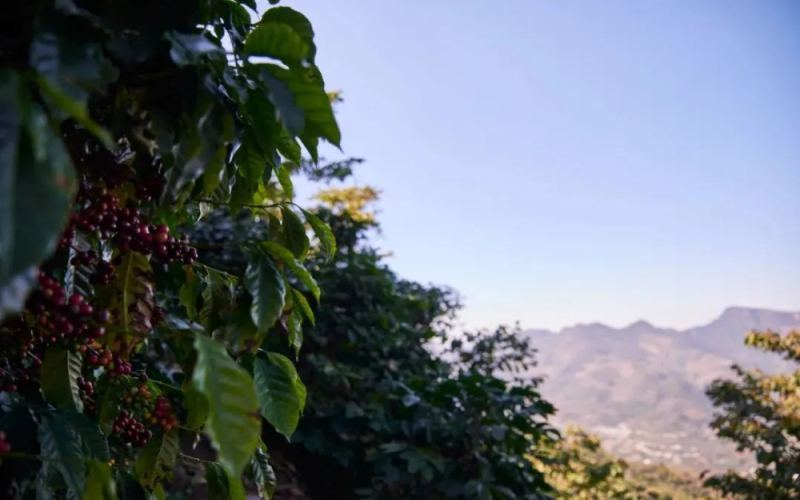
What makes Guatemalan coffee unique? A comprehensive analysis of the flavors and processing methods of eight major producing regions
Guatemala is home to over three hundred microclimates, where volcanic soil and high-altitude terrain nurture specialty coffee with distinctive flavors. From the balanced fruit acidity of Antigua to the bright fruity aromas of Huehuetenango, the eight major regions each have their own character. This article will guide you through Guatemala's coffee-growing regions, varietal characteristics, grading methods, and washed processing procedures, while also analyzing its signature flavor profile. Front Street Coffee has a particular affection for this land; the Flora coffee beans on its menu come from the Antigua region, washed processed, with a delicate flavor, and are well worth trying. [more…]

A Detailed Guide to the Flavors of Guatemala's Eight Major Coffee Regions: Cupping Characteristics from Acatenango Valley to Volcán San Marcos
Guatemala is an important specialty coffee-producing country in Central America, with eight distinct coffee regions distributed across its territory. In April 2010, Mr. Eduardo Ambrocio of the Guatemalan Coffee Company gave a detailed introduction to these regions to an audience at the SCAA Houston exhibition and presented coffee samples from all eight regions. Based on these sample materials, this article examines one by one the altitude, soil, climate, and processing methods of the eight major regions—Acatenango Valley, Antigua, Traditional Atitlán, Rainforest Cobán, Huehuetenango Highlands, Highland Wet Highlands, New Oriente, and Volcanic San Marcos—and includes the cupping flavor characteristics of the coffee from each region. For friends who love Guatemalan coffee, Front Street Coffee will also recommend a few beans worth paying attention to, helping everyone more intuitively experience the flavor differences among the various regions. [more…]
A Complete Guide to Guatemalan Specialty Coffee: Terroir, Flavor Profiles, and Front Street Brand Recommendations Across Eight Major Regions
Guatemala was once hailed as one of the finest coffee-producing origins in the world, its strictly hard beans plump and well-balanced, yielding a pure, rich brew. Front Street's Guatemalan coffee beans have pronounced acidity, a mellow flavor with a slightly wild edge, and can be enjoyed as a single origin or often used as a base bean in blends. This article takes you deep into the origins and background of Guatemalan coffee, its flavor characteristics, and the terroir of its eight major producing regions—from the volcanic geology of Antigua and the Acatenango Valley to the non-volcanic highlands of Huehuetenango—analyzing one by one how this land nurtures rich layers of green apple acidity, berry notes, jasmine florals, and even smoky finishes. Whether you are a coffee enthusiast or a professional, you will gain practical origin knowledge and brewing references. [more…]
A Detailed Guide to Ethiopia's Eight Major Coffee Regions: A Specialty Flavor Guide to Yirgacheffe, Sidamo, and Guji
As the birthplace of coffee, Ethiopia boasts eight major coffee-producing regions: Ekempti, Limu, Illubabor, Djimma, Harrar, Teppi/Bebeka, Sidamo, and Yirgacheffe. Among these, Harrar, Sidamo, and Yirgacheffe are the most sought after by domestic enthusiasts. Sidamo Province is located in the south and encompasses two star sub-regions, Yirgacheffe and Kochere. Coffee here is mostly grown around the East African Rift Valley, and because of the intricate combination of soil, microclimates, and native varieties, the coffee flavor varies distinctly from town to town. Shakiso in the Guji region borders Sidamo and Gedio and was once a gold-mining area; today it is renowned for its organic forest coffee. The Dutch company Trabocca has cultivated this area for many years, continuously improving quality and yield. Front Street Coffee also keeps a close eye on specialty beans from these regions, bringing enthusiasts a diverse range of choices. [more…]
A Complete Guide to Guatemalan Coffee: Terroir of Eight Major Regions, Bean Characteristics, and Brewing Tips for Two Front Street Coffee Signature Selections
Guatemala is one of the most important specialty coffee-producing countries in Central America. With its high altitudes, volcanic soil, and diverse climates, it nurtures richly layered coffee flavors. This article systematically reviews the historical development of Guatemalan coffee, its bean varieties, grading standards, and processing methods, explains in detail the terroir differences among the eight major producing regions, and highlights two Antigua representatives from Front Street Coffee—Floral and Santa Clara—including their varieties, processing methods, roasting approach, and flavor profile, helping coffee enthusiasts build a complete understanding of this producing region. [more…]
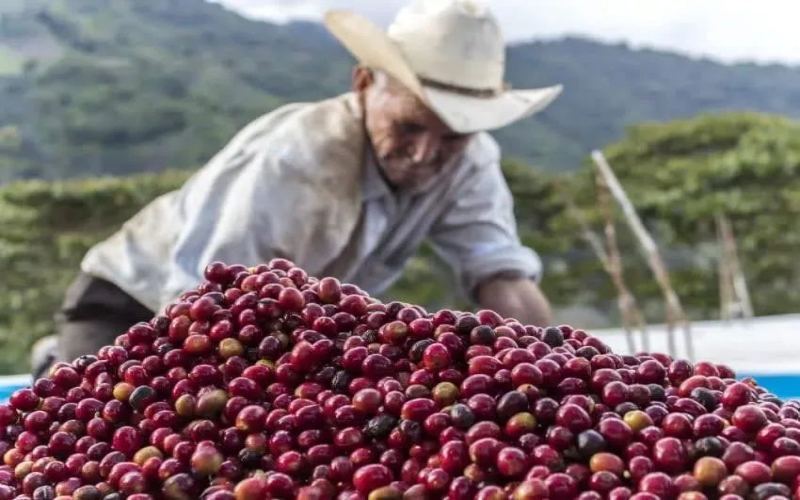
Honduran Coffee Bean Grading System, Flavor Characteristics, and the Stories Behind the Geographical Indications of Eight Major Producing Regions
Honduras, as an important coffee-producing country in Central America, has seen its coffee industry undergo a transformation from rudimentary processing to specialty-grade refinement. This article will guide you through Honduras's coffee bean grading standards, the distribution of its six major regions and eight sub-regions of western coffee, as well as the country's first government-protected geographical indication system. At the same time, we will also share Front Street Coffee's brewing recommendations for Honduras's Sweet Orange Estate, helping coffee enthusiasts better savor the unique flavors of this Central American origin. [more…]
A Complete Guide to Guatemalan Coffee: Eight Major Regions, Volcanic Terroir, and the Flavor Profile of Antigua
Guatemala is an important specialty coffee producing country in Central America, with over three hundred microclimates across its territory and eight major regions spanning volcanic and non-volcanic geology. This article begins with Front Street Guatemala coffee and systematically outlines its flavor characteristics, taste layers, main producing areas, and variety composition. High-altitude strictly hard beans bring lively acidity and a clean mouthfeel, interwoven with green apple, berries, jasmine, orange peel, chocolate, and even a smoky finish, making them suitable both for single-origin tasting and as an ideal base for coffee blends. The article also introduces famous producing regions such as Antigua and Huehuetenango, as well as varieties including Bourbon, Typica, and Caturra. [more…]
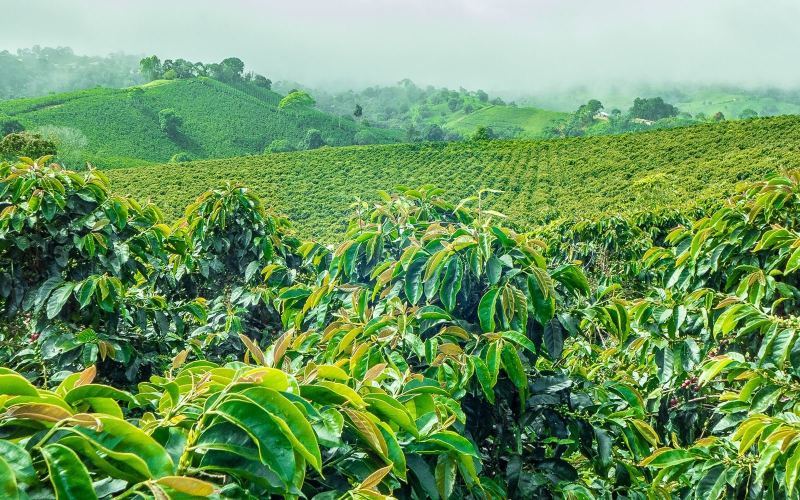
A Complete Guide to Guatemala's Eight Major Coffee Regions: Flavor Profiles of Antigua and Huehuetenango, Plus Front Street Coffee Bean Recommendations
Although Guatemala is located in the tropics, its high altitude, mild climate, and fertile volcanic soil have made it one of the world's top coffee-producing countries. The country has eight major producing regions, among which Antigua and Huehuetenango are the most famous. Antigua is known for its perfectly balanced acidity, sweetness, and body, with a hint of smoky spice; Huehuetenango, with its bright acidity, floral and fruity notes, and toffee sweetness, is hailed as "the crown of Guatemalan coffee." The Floral God and Huehuetenango daily-drinking beans on Front Street Coffee's bean list are representatives of these two regions. This article explains in detail the regional terroir, varieties, washed processing, and pour-over parameters, taking you to appreciate the diverse charm of Guatemalan coffee. [more…]
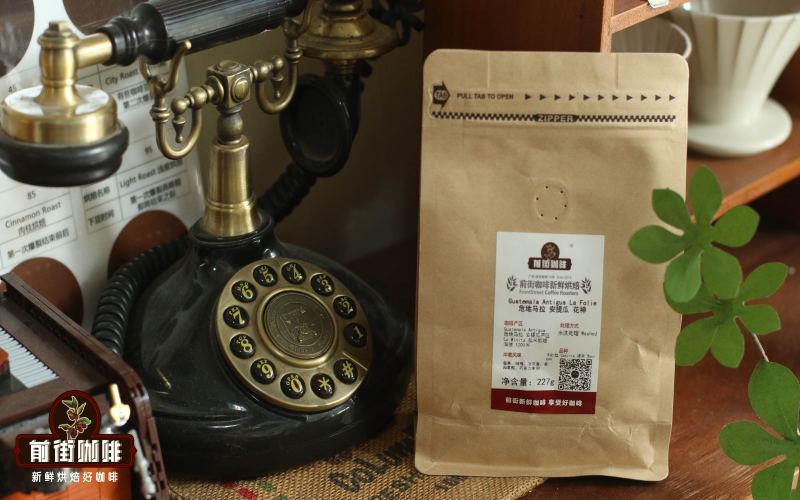
A Complete Guide to Guatemalan Coffee: SHB Grade Characteristics and Flavor Stories from Eight Major Regions
Although Guatemala is not mentioned as frequently as Brazil or Colombia, it has earned its place in the specialty coffee landscape with its rich, smooth body and distinctive charcoal-roasted aroma. This article focuses on the SHB grading characteristics of Guatemalan coffee, reviews the country's geography, climate, and cultivation history, and introduces one by one the eight major producing regions defined by the Guatemalan Coffee Association, including Antigua, Huehuetenango, Cobán Rainforest, Atitlán, and others. At the same time, using the three producing regions of Antigua, Huehuetenango, and New Oriente as representatives, it presents in detail the origin information, estate management methods, and brewing parameters of Front Street Coffee's Flor de Dios and Huehuetenango everyday beans, helping coffee enthusiasts gain a comprehensive understanding of the terroir charm of this Central American producing country. [more…]
Guatemalan SHB Coffee Flavor Guide: Characteristics of Eight Major Regions Including New Oriente and Front Street Flor de Café Brewing Sharing
Although Guatemala is often overshadowed by Panama in Central American coffee, it has established its own distinctive style with a rich, smooth, mellow flavor interwoven with charcoal roasting and chocolate smoke notes—Antigua coffee is even called "cigarette coffee." From the perspective of Front Street Coffee, this article reviews Guatemala's geography and climate, cultivation history, and the division of its eight major producing regions, focusing on three representative regions: Antigua, Huehuetenango, and New Oriente. It also shares the regional information and staged brewing methods for two Front Street beans—Guatemala Flower God and Huehuetenango—to give you a comprehensive understanding of this Central American coffee-producing country capable of growing extremely hard beans. [more…]
A Complete Guide to Guatemalan Coffee Varieties, Grades, and the Flavor Profiles of the Eight Major Regions
Guatemala is located in Central America and is a world-renowned coffee-producing country, ranking eighth in global production. The term "Guatemala" originates from the Mayan language, meaning "land of forests." This land is hailed as the "jewel of the Central American crown" due to its volcanoes, lakes, and variable climate. Although the country is small, it nurtures eight distinctive coffee regions. This article will systematically review the altitude, soil, climate, processing methods, and cup profile of these eight regions: Antigua, Acatenango, Huehuetenango, San Marcos, Atitlán, Cobán Rainforest, Fraijanes Plateau, and New Oriente, and also explain the variety and grade classification logic of Antigua. Front Street Coffee will also combine the characteristics of these regions to provide coffee enthusiasts with bean selection references. [more…]
A Complete Guide to Guatemala's Coffee Regions: Variety Characteristics of Eight Major Origins and a Flavor Guide to Antigua La Flor del Café
Guatemala is an important representative of specialty coffee in Central America. Thanks to its volcanic geology, highland microclimates, and high-altitude growing conditions, it produces coffee beans known for bright fruit acidity and a smoky finish. This article systematically reviews the geographical and flavor differences among Guatemala's eight major producing regions, explains the key points of the washed processing method, and introduces representative beans from producing regions such as Antigua, Huehuetenango, New Oriente, and Acatenango one by one. Among the Front Street Coffee staple bean series, Guatemalan coffee and Antigua La Flor del Café beans are ideal choices for experiencing the country's classic flavors, performing excellently whether brewed by pour-over or made as cold brew or ice drip. [more…]
A Complete Guide to Guatemalan Coffee Regions: Flavors of Eight Major Origins, Washed Processing, and Grading Features
Guatemala is a major coffee-producing country in Central America. Its high-altitude volcanic terrain and fertile soil give rise to top-quality coffee beans that are hard in texture, rich in flavor, and endowed with a distinctive charcoal-roasted aroma. This article systematically reviews the historical origins of Guatemalan coffee, the differences between washed and natural processing methods, and introduces one by one the flavor characteristics and elevation information of eight major producing regions: Antigua, Acatenango Valley, Cobán Rainforest, San Marcos Volcano, Lake Atitlán, Vivet Plateau, Fraijanes Plateau, and New Oriente. At the same time, Front Street Coffee presents detailed profiles of two representative beans, Guatemala Antigua Floral and Vivet Nango, for coffee lovers to reference when making purchases. [more…]
A Complete Analysis of Costa Rican Coffee Regions: From the Eight Major Producing Areas to Starbucks' First Specialty Estate and the Carnet Musician Series
Although Costa Rica is not a large country in terms of land area, it has become a representative producing region of high-quality Arabica coffee in Latin America thanks to its fertile volcanic soil, mild climate, and abundant rainfall. Even Starbucks chose this country for its first specialty coffee farm. In this article, Front Street Coffee will guide you through Costa Rica's coffee-growing history and policy evolution, review the altitude, harvest season, and flavor characteristics of eight major producing regions including the Western Valley, Central Valley, and Tarrazu one by one, and focus on introducing the Musician Series from the Canet Estate in Tarrazu—the processing methods and flavor profiles of four beans: Bach, Mozart, Beethoven, and Chopin—to help coffee enthusiasts gain a more systematic understanding of this producing region and choose good beans that suit their taste accordingly. [more…]
Flavor Characteristics of Guatemala New Oriente Caldillas Estate Pink Bourbon Honey Process Coffee Beans and Pour-Over Brewing Parameters
Guatemala is a pivotal coffee-producing country in Central America, divided into eight major regions nationwide. Among them, the New Oriente region, though developed relatively late, nurtures coffee with excellent acidity and aroma due to its volcanic geology and abundant rainfall. This article focuses on the Pink Bourbon variety produced at Finca El Cañal, a mutation of the Bourbon variety. After honey processing, it presents orange, honey limeade, caramel, and roasted almond cocoa finish notes, with a smooth and sweet mouthfeel. Front Street Coffee brings a pour-over extraction analysis of this bean, explaining step by step from the V60 dripper, water temperature, grind size to the staged pouring rhythm, helping coffee enthusiasts replicate the unique smoky and chocolate flavors at home. [more…]
A Beginner's Guide to Guatemalan Coffee Regions: Eight Well-Known Origins and Their Flavor Profiles Explained
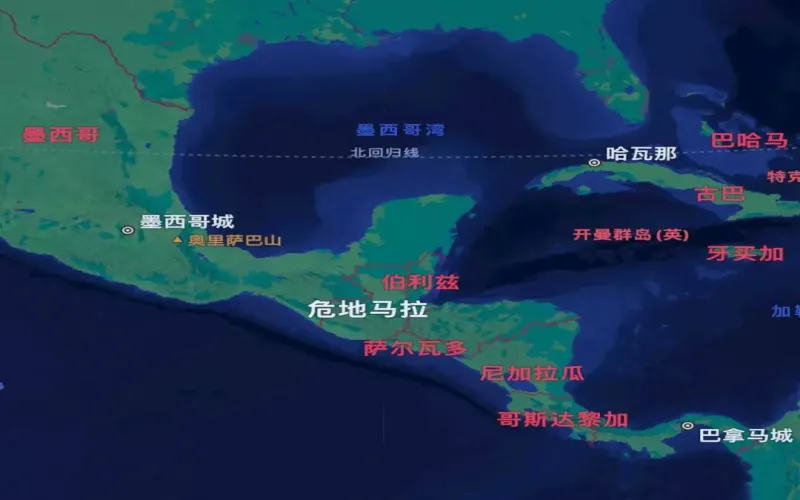
Guatemala is an important coffee-producing country in Central America. Of its 22 departments, 20 grow coffee, with eight major regions—including Huehuetenango, Cobán, New Oriente, Atitlán, and Antigua—being the most well known. These regions fall into two broad categories, volcanic and non-volcanic, and thanks to high altitudes, volcanic soil, ample rainfall, and varied microclimates, they produce Guatemalan coffee with an elegant, lively acidity, a clean mouthfeel, and clearly layered flavors. This article starts from the geographical environment and climatic characteristics, introduces the growing conditions and coffee characteristics of each major region one by one, and recommends Front Street Coffee's entry-level selection of Guatemalan Huehuetenango washed coffee beans. [more…]
Guatemalan Coffee Flavor Characteristics and Analysis of Eight Major Producing Regions: A Complete Overview of Varieties, Grades, and Processing Methods
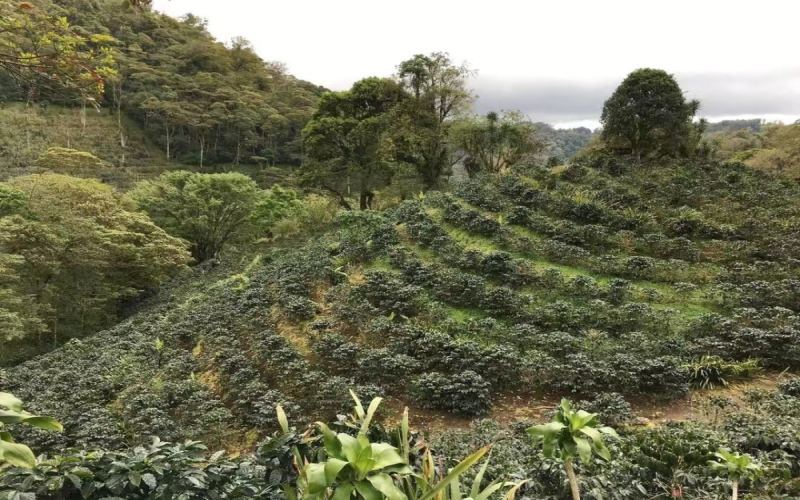
Among the many coffee-producing countries in Latin America, Guatemala—thanks to its unique volcanic geology and microclimates—nurtures coffee beans that combine bright fruity acidity with smoky notes, earning it the nickname "cigarette coffee" among coffee lovers. In this article, Front Street Coffee will start from the history of cultivation, systematically review the flavor differences among Guatemala's eight major coffee-producing regions, explain in detail the grading system based on hardness and altitude, and thoroughly break down the impact of washed and natural processing methods on flavor. In addition, Front Street Coffee will also introduce the characteristics of four major varieties—Bourbon, Typica, Caturra, and Catuai—and include the roasting and brewing parameters for two Guatemalan beans from Front Street Coffee (FrontStreet Coffee), providing coffee enthusiasts with a complete reference from producing region to cup. [more…]

A Comprehensive Analysis of Costa Rican Coffee: From Introduction History to Eight Major Producing Regions and the Variety Classification System
Although Costa Rica is often jokingly referred to as a homophone of "Godzilla," it is a pivotal specialty coffee-producing country in Central America. Since the first coffee seedling was introduced from Cuba in 1729, this country has been inextricably linked with coffee. High altitudes, microclimates, and fertile volcanic soil provide exceptional growing conditions for Arabica. From government tax incentives encouraging cultivation, to legislation limiting production to Arabica only, to institutions like ICAFE and CATIE promoting quality improvement, Costa Rica has pursued a path of quality supremacy in coffee. This article will guide you through its introduction history, the terroir differences of its eight major producing regions, its main cultivated varieties, and its altitude-based grading system, along with Front Street Coffee's brewing recommendations. [more…]
Exploring Costa Rican Coffee: A Full Analysis of Flavor Characteristics, Eight Major Regions, and Variety Classification
Costa Rica, a Central American country, nurtures consistently high-quality Arabica coffee thanks to its high altitude, fertile volcanic soil, and microclimates. Since the introduction of coffee in 1729, the local government has promoted the refined development of the coffee industry through policies such as tax exemptions, land incentives, and legislation mandating the cultivation of only Arabica. This article will guide you through Costa Rica's coffee cultivation history, the distribution of its eight major producing regions and their flavor differences, and provide an in-depth analysis of the characteristics of major varieties such as Caturra, Catuai, Geisha, and Bourbon. Finally, it includes brewing suggestions from Front Street Coffee to help you gain a comprehensive understanding of this Central American coffee powerhouse. [more…]